Train smarter.
Understand why.
Coaching, camps, podcast, and a knowledge base — all grounded in peer-reviewed cycling science. For athletes and coaches who want more than just a training plan.
LatestEpisode 21 – Does Starting Slower Actually Make You Faster in a Gran Fondo? (interview with Dr Fran Oficial-Casado)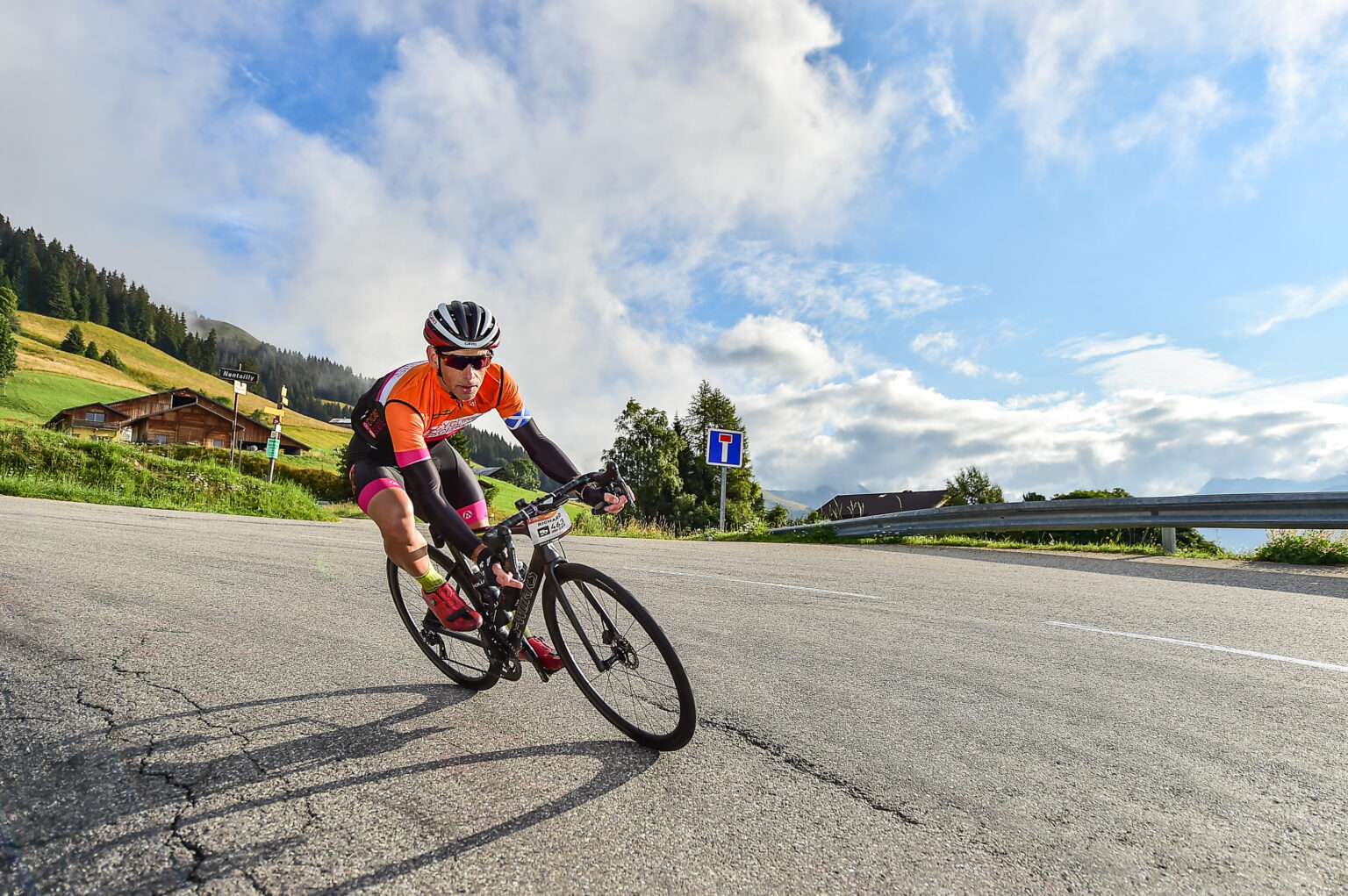
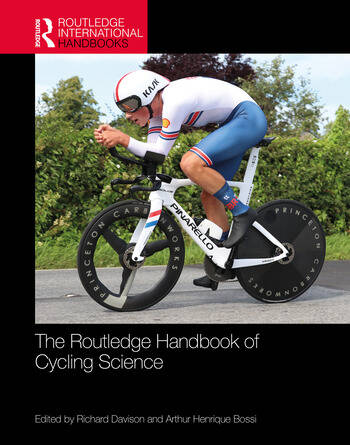
The Routledge Handbook of Cycling Science
43 chapters from internationally recognised researchers, covering race demands, physiology, training, nutrition, equipment, tactics, and health. The most comprehensive reference work in cycling science to date, edited by Prof. Richard Davison and Dr Arthur Henrique Bossi.
Hardback, £260.00. Ships after 17 November 2026.
The latest
New articles and podcast episodes, straight from the research.
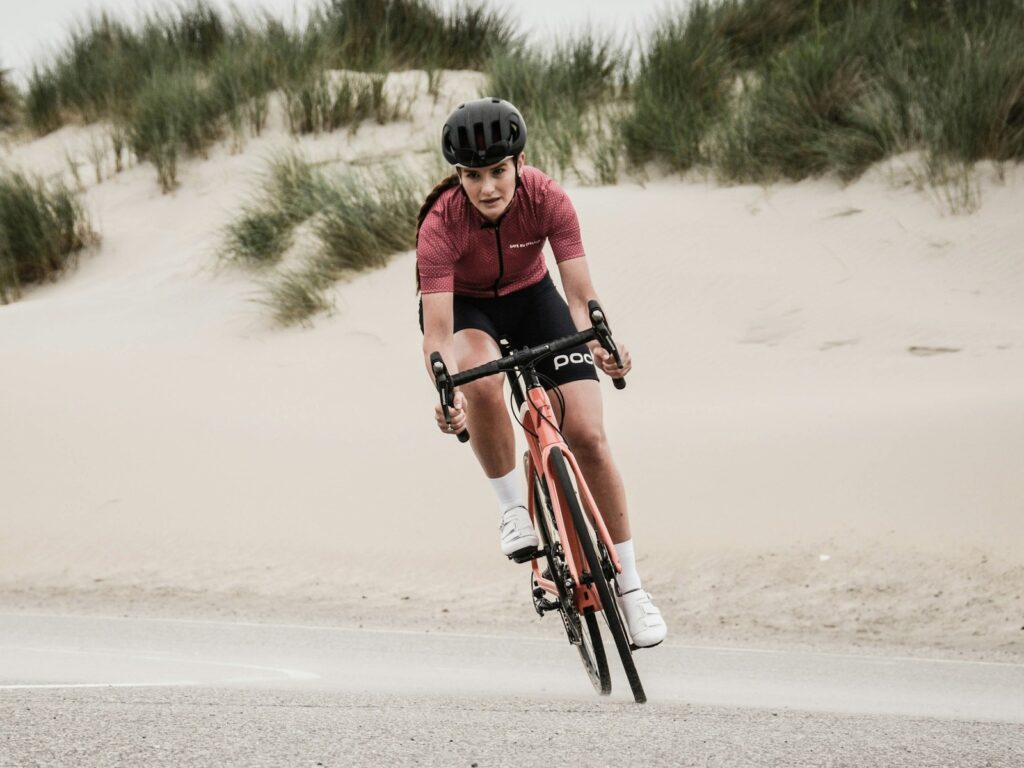
Four in Five Blamed Their Cycle, Nobody Was Tracking It
Twenty competitive female cyclists believed their menstrual cycle shaped their performance. Not one was recording anything to check it, and their coaches were often no better informed.
Read the articleEpisode 21 – Does Starting Slower Actually Make You Faster in a Gran Fondo? (interview with Dr Fran Oficial-Casado)
1 September 2026
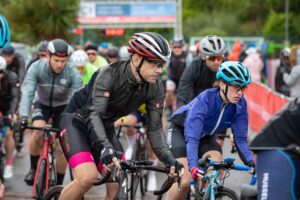
Chip-timing data from 6,589 finishers of the Quebrantahuesos says the fastest riders open the first climb more conservatively but the riders with the flattest profiles of all finished slowest. Dr Fran Oficial-Casado of the Universitat de Valencia on what the largest pacing dataset in cycling can and cannot tell you.
Listen to the episode
Why Cycling Science?
Most coaching is built on experience. Ours is built on evidence.
Exercise Science Credentials
Not just a former racer. Richard holds exercise science qualifications that underpin every training decision.
Evidence-Graded Approach
Every recommendation is rated against the quality of the research — you know exactly how strong the evidence is.
Direct Access to Research
The podcast brings paper authors and domain experts to you — unfiltered, practical, and scientifically rigorous.
What we offer
Four ways to apply cycling science to your performance.
Coaching
Evidence-based personal coaching built on peer-reviewed research — not just lived experience.
View coaching optionsTraining Camps
Guided training camps in Andalusia, combining structured riding with science-backed recovery.
See upcoming campsPodcast
Interviews with leading researchers — translating the latest cycling science into actionable insights.
Listen nowKnowledge Base
A curated, evidence-graded library of cycling science. The research distilled, rated, and applied.
Explore the KBProfessor-level science. Experienced expert coach-level application.
Prof. Richard Davison brings exercise science expertise to coaching — not as a theoretical add-on, but as the foundation of every training decision. Where most coaches draw on race experience alone, Richard draws on the peer-reviewed literature and translates it into practical, individualised training.
The Cycling Science platform — podcast, knowledge base, coaching, and camps — is the result of that philosophy: making the best available evidence accessible to every athlete and coach who wants to understand the science behind performance.
Read the full storyCycling Science Consultancy
Expert input for teams, organisations, and sport science projects.